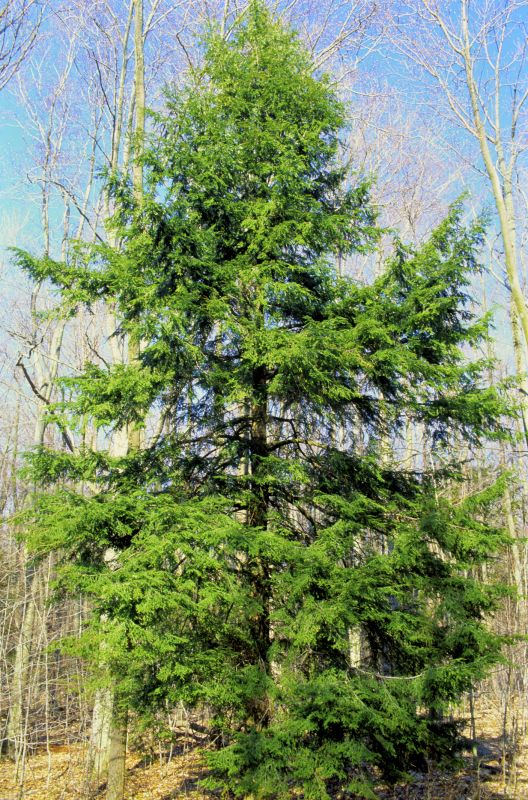
Hemlock Removal in Philadelphia, PA
Hemlock removal services involve the safe and effective elimination of hemlock trees from residential properties. This type of project is commonly requested when homeowners notice overgrowth, signs of disease or pest infestation, or when trees pose safety concerns due to their size or location. Hemlock removal can also be part of landscape redesigns or efforts to prevent the spread of pests and diseases that threaten nearby trees. Property owners typically want to understand what the process entails, including the scope of work, potential impact on the landscape, and any necessary preparations before scheduling removal services.
Before requesting hemlock removal, property owners should consider the size and number of trees to be removed, as well as their proximity to structures, power lines, or other landscape features. Clarifying objectives-such as whether the goal is complete removal or selective thinning-can help ensure the project aligns with expectations. Additionally, understanding any local regulations or restrictions related to tree removal may be important, especially for larger or protected trees. Proper planning and consultation can facilitate a smooth process and help maintain the safety and aesthetics of the property.
Many property owners in Philadelphia, PA look into Hemlock Removal for repairs, replacements, upgrades, and appearance-related improvements.
Reasons To Remove Hemlocks
Removing hemlocks can improve the safety and appearance of residential and commercial properties in philadelphia.
Signs Of Hemlock Infestation
Early detection of health issues like browning foliage or pest activity helps prevent extensive damage.
Hemlock Removal Process
Professional removal involves careful planning to ensure safety and minimize impact on the surrounding landscape.
Hemlock Removal in Philadelphia, PA
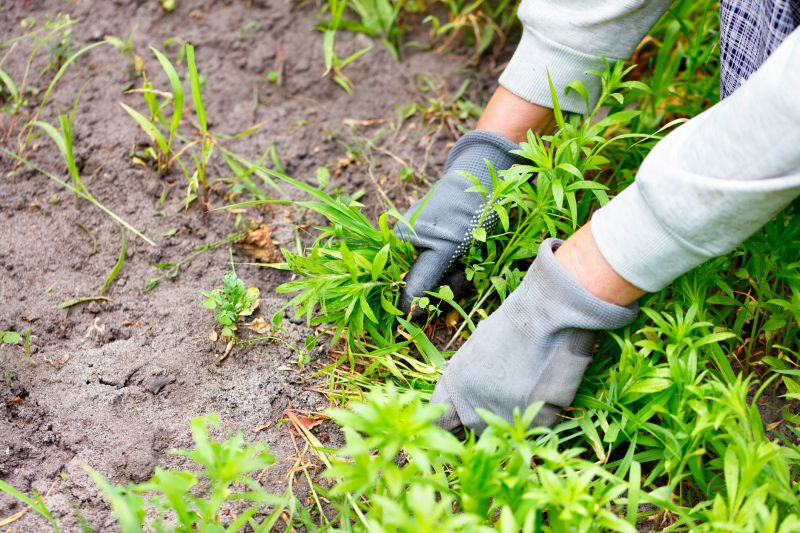
Hemlock removal services involve the safe and effective elimination of hemlock trees from residential properties. This type of project is commonly requested when homeowners notice overgrowth, signs of disease or pest infestation, or when trees pose safety concerns due to their size or location. Hemlock removal can also be part of landscape redesigns or efforts to prevent the spread of pests and diseases that threaten nearby trees. Property owners typically want to understand what the process entails, including the scope of work, potential impact on the landscape, and any necessary preparations before scheduling removal services.
Before requesting hemlock removal, property owners should consider the size and number of trees to be removed, as well as their proximity to structures, power lines, or other landscape features. Clarifying objectives-such as whether the goal is complete removal or selective thinning-can help ensure the project aligns with expectations. Additionally, understanding any local regulations or restrictions related to tree removal may be important, especially for larger or protected trees. Proper planning and consultation can facilitate a smooth process and help maintain the safety and aesthetics of the property.
Many property owners in Philadelphia, PA look into Hemlock Removal for repairs, replacements, upgrades, and appearance-related improvements.
Common Hemlock Removal Jobs
Hemlock Removal - removal of invasive hemlock trees to protect landscape health.
Hemlock Thinning - reducing tree density to improve sunlight and airflow in wooded areas.
Hemlock Stump Grinding - grinding down stumps to prepare the land for future planting or development.
Hemlock Tree Removal - safe removal of hazardous or overgrown hemlock trees.
Hemlock Disease Management - addressing issues like hemlock woolly adelgid infestations.
Hemlock Preservation - selective removal to maintain healthy, mature hemlock specimens.
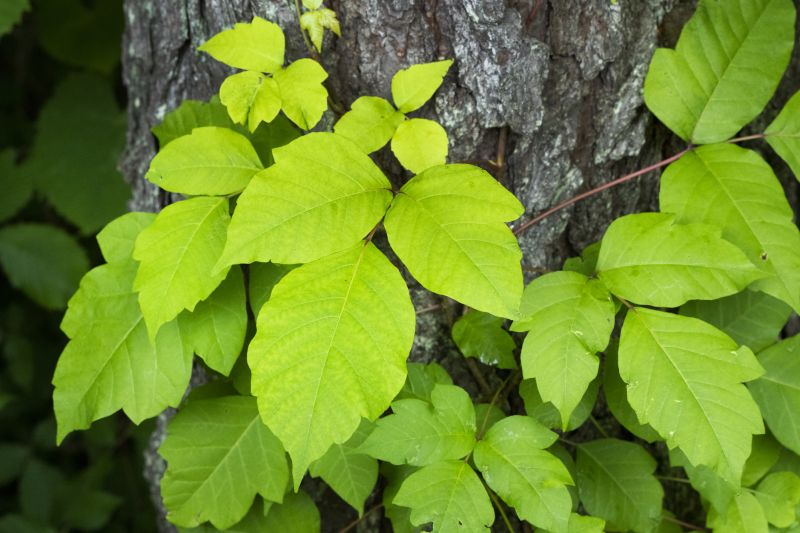
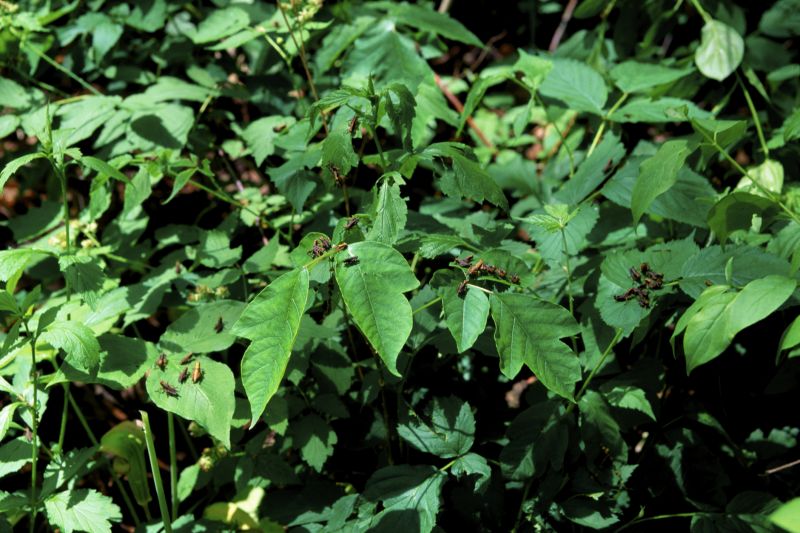
Hemlock Removal Questions
Why should Hemlocks be removed from a property? Hemlocks can pose risks such as falling branches and root damage, which may impact the safety and stability of a property.
What signs indicate a Hemlock tree needs removal? Signs include dead or dying branches, leaning trees, or visible damage that could lead to safety hazards.
Is Hemlock removal necessary near structures? Yes, removing Hemlocks close to buildings or power lines helps prevent potential damage from falling limbs or root interference.
What are common reasons for removing Hemlocks? Common reasons include disease, safety concerns, property damage prevention, or overgrowth that affects other landscape features.
Request Hemlock Removal in Philadelphia, PA
Use the quote form on this page to share the basics of your project and request more information for the type of work you need.