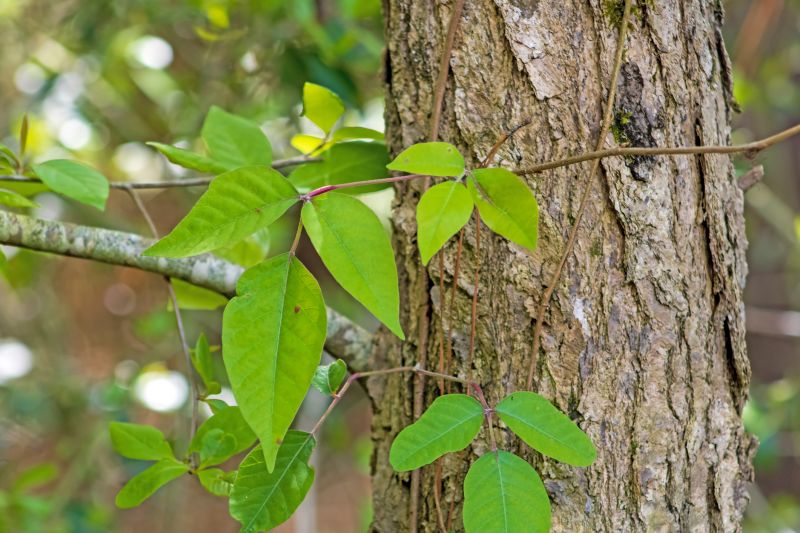
Poison Oak Removal in Bel Air, MD
Poison oak removal services focus on safely eliminating this invasive plant from residential properties, including yards, gardens, and wooded areas. These services are often requested for projects involving overgrown brush, landscaping refreshes, or clearing outdoor spaces that pose a health risk due to contact with the plant’s oily, skin-irritating leaves. Property owners typically want to understand the scope of removal, the methods used to ensure thorough elimination, and any precautions to prevent regrowth or accidental exposure during the process.
Before requesting poison oak removal, homeowners should consider the size and extent of the affected area, as well as any nearby plants or structures that may be impacted. Clarifying whether the service includes complete removal of roots or just above-ground plants can help set expectations. It’s also helpful to inquire about post-removal advice for maintaining a safe outdoor environment and preventing future growth, especially in areas frequently used for outdoor activities or landscaping projects.
Many property owners in Bel Air, MD look into Poison Oak Removal for repairs, replacements, upgrades, and appearance-related improvements.
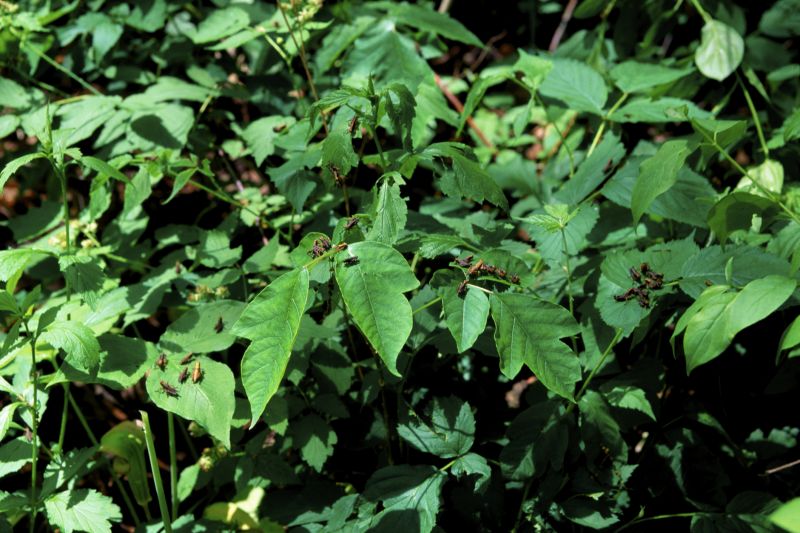
Poison Oak Identification
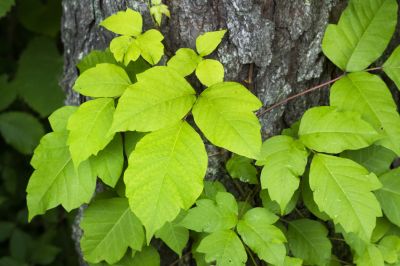
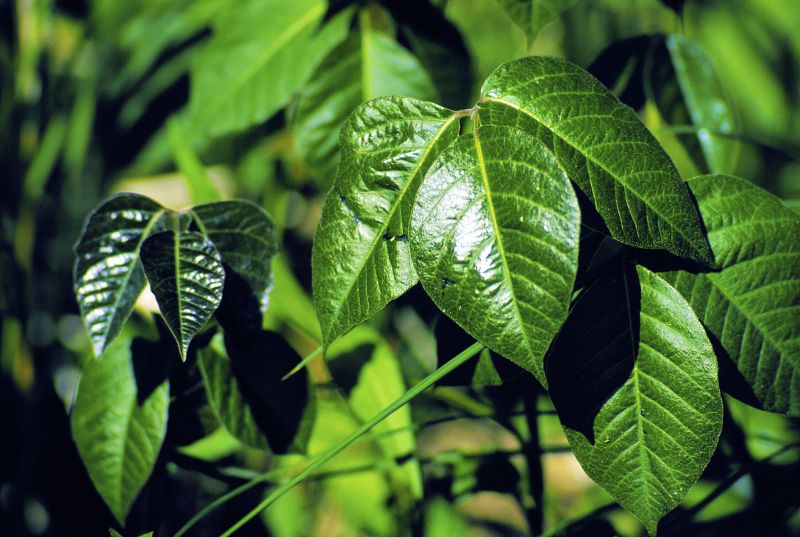
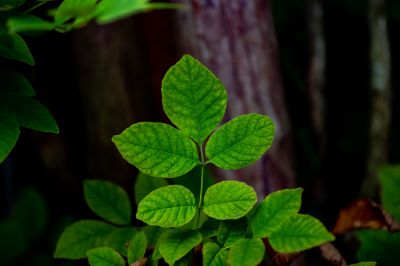
Recognizing poison oak is essential for safe removal and prevention on residential and commercial properties.
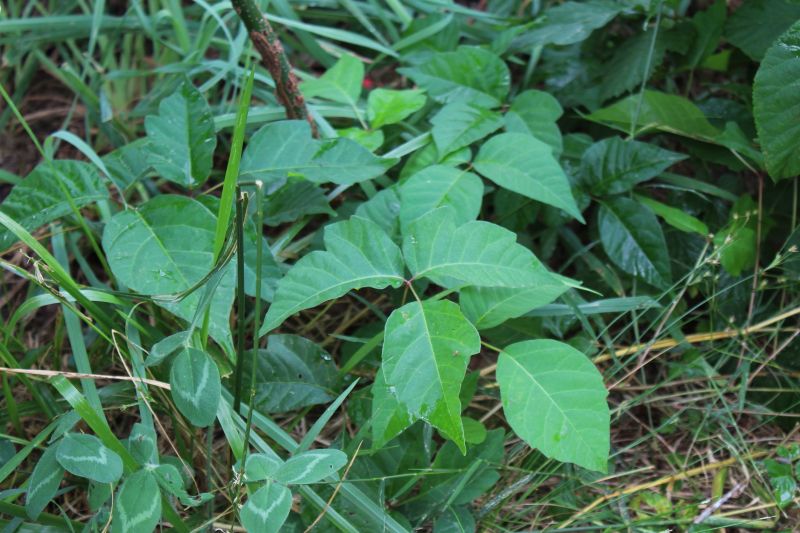
Hazard Prevention
Removing poison oak helps reduce the risk of skin irritation and allergic reactions for residents and visitors.
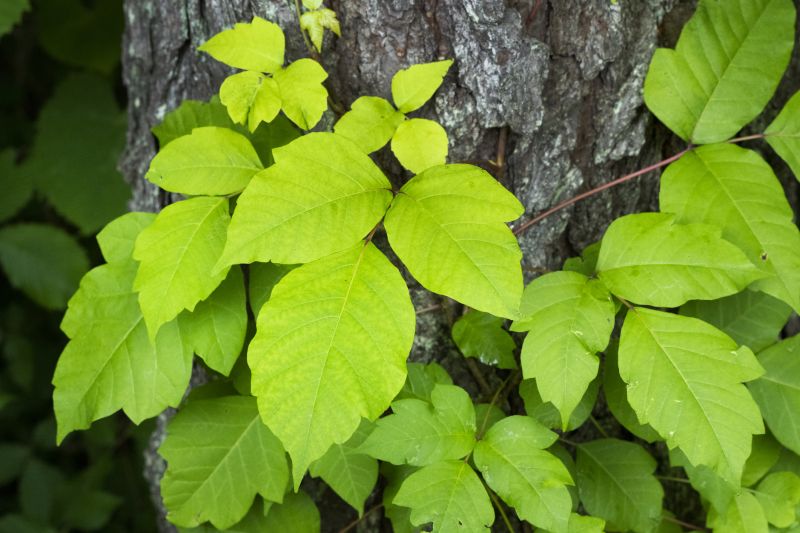
Property Maintenance
Effective poison oak removal enhances the safety and appearance of outdoor spaces in bel air, md, and surrounding areas.
Poison Oak Removal in Bel Air, MD
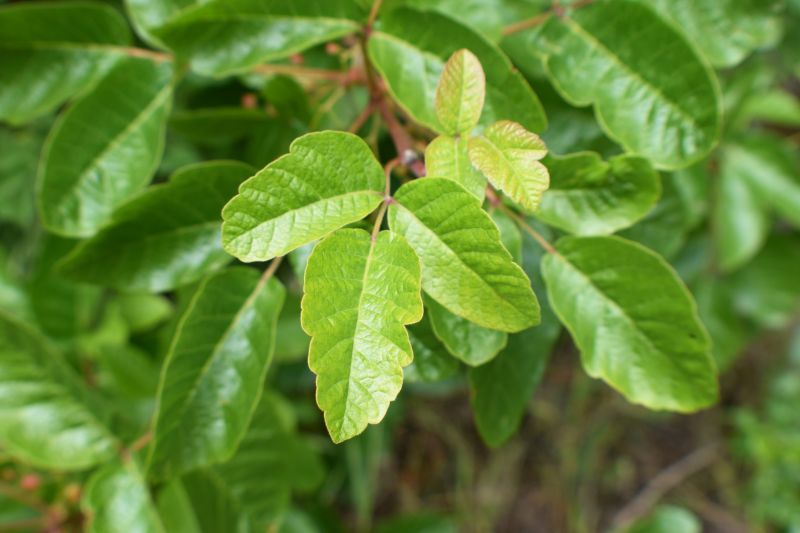
Poison oak removal services focus on safely eliminating this invasive plant from residential properties, including yards, gardens, and wooded areas. These services are often requested for projects involving overgrown brush, landscaping refreshes, or clearing outdoor spaces that pose a health risk due to contact with the plant’s oily, skin-irritating leaves. Property owners typically want to understand the scope of removal, the methods used to ensure thorough elimination, and any precautions to prevent regrowth or accidental exposure during the process.
Before requesting poison oak removal, homeowners should consider the size and extent of the affected area, as well as any nearby plants or structures that may be impacted. Clarifying whether the service includes complete removal of roots or just above-ground plants can help set expectations. It’s also helpful to inquire about post-removal advice for maintaining a safe outdoor environment and preventing future growth, especially in areas frequently used for outdoor activities or landscaping projects.
Many property owners in Bel Air, MD look into Poison Oak Removal for repairs, replacements, upgrades, and appearance-related improvements.
Common Poison Oak Removal Jobs
Poison Oak Removal - Safe elimination of poison oak to protect landscape health.
Property Clearing - Removing poison oak from yards, gardens, and recreational areas.
Vegetation Management - Targeted removal to prevent poison oak from spreading.
Landscape Restoration - Clearing poison oak to restore natural beauty and safety.
Hazard Reduction - Minimizing contact risks in outdoor spaces.
Site Assessment - Identifying areas infested with poison oak for effective removal.
Poison Oak Removal Questions
What is poison oak removal? Poison oak removal involves safely eliminating the plant from a property to prevent skin irritation and health risks.
Why should poison oak be removed? Removing poison oak reduces the risk of contact dermatitis and helps maintain a safe outdoor environment.
Where is poison oak typically found? Poison oak often grows in shaded areas, along fences, and in overgrown patches on residential properties.
What types of projects require poison oak removal? Property clearing, landscaping, yard cleanup, and safety maintenance are common reasons for poison oak removal services.
Request Poison Oak Removal in Bel Air, MD
Use the quote form on this page to share the basics of your project and request more information for the type of work you need.